
August 13, 2026
Search "Sausalito homes for sale" this month and you might see a three-bedroom listing near $700,000 sitting two clicks away from a hillside property asking $2.5 million. Same city. Same zip code. Same word, "Sausalito," attached to both. What the search results will not tell you is that these are not two ends of one market. They are two entirely different products, with different tax treatment, different financing rules, and different ownership structures, that happen to share a name.
That gap is not a fluke of timing. It is the structural reality of buying in this particular stretch of Marin, and it explains why the "median price" you see quoted on any given day can look wildly different depending on which report you pull up and which week you pull it.
Pull three market snapshots from mid-2026 and you get three different stories. Over the three months ending May 2026, the median sale price in Sausalito was $1.9 million, down 8.0 percent from the same period a year earlier, with the median price per square foot at $962, itself down about 9 percent year over year. Homes were closing in an average of 18 days, faster than the 28-day average from the prior year, and 23 homes sold in May 2026 compared with 30 the year before.
Meanwhile, the median list price quoted for July 2026 sat around $1.07 million, roughly $806 per square foot. A separate market report pegged the median home price at $1.7 million, up a fraction of a percent year over year, with inventory tight enough that homes were selling for about 107.6 percent of asking price in March 2026 and the market carrying just 2.8 months of supply.
None of these numbers are wrong. They are measuring different slices of the same inventory pool at different moments, and that pool includes properties that do not behave like ordinary single-family homes at all. When your active listings include both a $700,000 floating home and a $2.5 million hillside estate, the median you calculate depends entirely on which of those happens to be sitting on the market, or closing escrow, the week the data gets pulled.
A buyer comparing a "median Sausalito price" against a median price in Kentfield or Larkspur is not comparing like products. Sausalito's number is doing triple duty.
Ask a handful of agents what "a Sausalito home" costs and you will get three different answers, because you are really asking about three different categories of ownership.
Hillside view estates. These are the properties climbing the slopes above town, often mid-century or contemporary in style, built to capture unobstructed views of the San Francisco skyline, Angel Island, and the Golden Gate Bridge. Detached single-family homes in this tier tend to price closer to $2.5 million, and the steep lot engineering that makes those views possible is part of what drives the premium.
Downtown waterfront single-family homes. Smaller lots, tighter footprints, but immediate walkable access to Bridgeway and the commercial core. Buyers here are trading square footage for proximity, and the tradeoff shows up in price per square foot rather than total price.
Waldo Point Harbor's floating homes. This is the category most buyers underestimate until they are already in contract. Roughly 400 permitted floating homes sit across the historic marinas at the north end of town, with 2026 pricing starting around $700,000 for smaller, older units and climbing past $2.5 million for larger, architect-designed models with multiple decks.
The third category is where the real friction lives, and it is worth understanding before you ever request a showing.
A floating home in Sausalito is not built on a foundation. It is built on a hull, moored to a dock, and it floats up and down with the tide rather than sitting on fill. That structural difference cascades into nearly every part of the transaction.
You typically buy the structure and separately lease the berth, the water space where the home sits, from a marina operator. That berth lease sets your monthly fee, and Bay Area marina rates for berth or slip space commonly run from a few hundred dollars to more than a thousand dollars a month depending on the dock, the services included, and the community's own dues structure. Some marinas have historically written leases running ten years or longer, and how that lease handles rent increases, and whether it resets when you sell, can materially change what the home actually costs you to hold over time.
Taxes work differently too. Floating homes in Marin are assessed and taxed, but as personal or unsecured property rather than through the standard secured property tax roll that applies to land-based homes. The rate structure is similar in spirit, but the mechanism, and the paperwork trail that comes with it, is not the same one your lender or your accountant is used to seeing on a conventional purchase.
Insurance is its own specialty product here, blending standard homeowner's coverage with marine coverage for the hull, since not every insurer writes this kind of policy. And financing tends to favor cash buyers. Because the property is classified differently and the underlying asset is a floating structure rather than a fixed foundation, conventional mortgage products can be harder to place, and buyers who plan to finance should confirm early with a lender who has actually closed floating home deals in Sausalito rather than assuming a standard 30-year product will apply.
None of this makes a floating home a worse purchase than a hillside estate. It makes it a different one, with its own due diligence checklist: hull condition and documentation, the exact terms of the berth lease, whether the dock operates under an HOA or co-op structure with its own CC&Rs, and how transferable that lease is if you ever sell.
There is one more data point worth sitting with before you start touring. Migration data for the first quarter of 2026 showed that 16 percent of people searching for Sausalito homes were also looking to move out of the area, while 84 percent were looking to stay within the broader metro. That is a market where most of the demand is local, people already living in the Bay Area who know exactly what they are comparing Sausalito against, whether that is a hillside home in Mill Valley or a floating home lifestyle they have wanted for years.
That matters for negotiation. A market dominated by informed, local buyers tends to move fast on the right listing and stay skeptical of overpriced ones, which lines up with the 18-day average time on market and the sale-to-list ratios pushing past 100 percent on well-positioned homes. If you are coming from outside the region, the practical lesson is to move at the pace of someone who already knows this market, because the buyer next to you probably does.
Is the property fee-simple, leasehold, or a co-op share? This single question determines whether you are buying real property outright, leasing water space under a separate agreement, or buying into a shared governance structure with its own rules on subletting, guests, and maintenance.
Is it taxed as real property or personal property? Ask your agent or the county assessor's office directly. It changes how your annual tax bill is calculated and what protections apply.
What is the berth lease term, and does rent reset on transfer? A lease with decades of stability and no reset clause is a very different carrying cost than one up for renewal next year.
Has the hull been surveyed recently? Documented, recent hull inspections give both you and a future buyer confidence in the structure's condition, and undocumented hull history is one of the more common reasons floating home sales stall during due diligence.
If you are shopping Sausalito by median price alone, you are comparing three different products as if they were one. A hillside estate, a downtown waterfront cottage, and a Waldo Point floating home carry different tax treatment, different financing paths, and different tenure structures, and the number on the portal cannot tell you which one you are actually looking at. The only way to know is to ask the right questions before you fall in love with a listing.
If you are weighing Sausalito against other parts of Marin, or trying to figure out which of these three products actually fits your budget and your lifestyle, Zamira Knows Marin can walk you through the comparison with the same neighborhood-level detail this piece just covered. Start your Marin home journey with a conversation, not a spreadsheet.
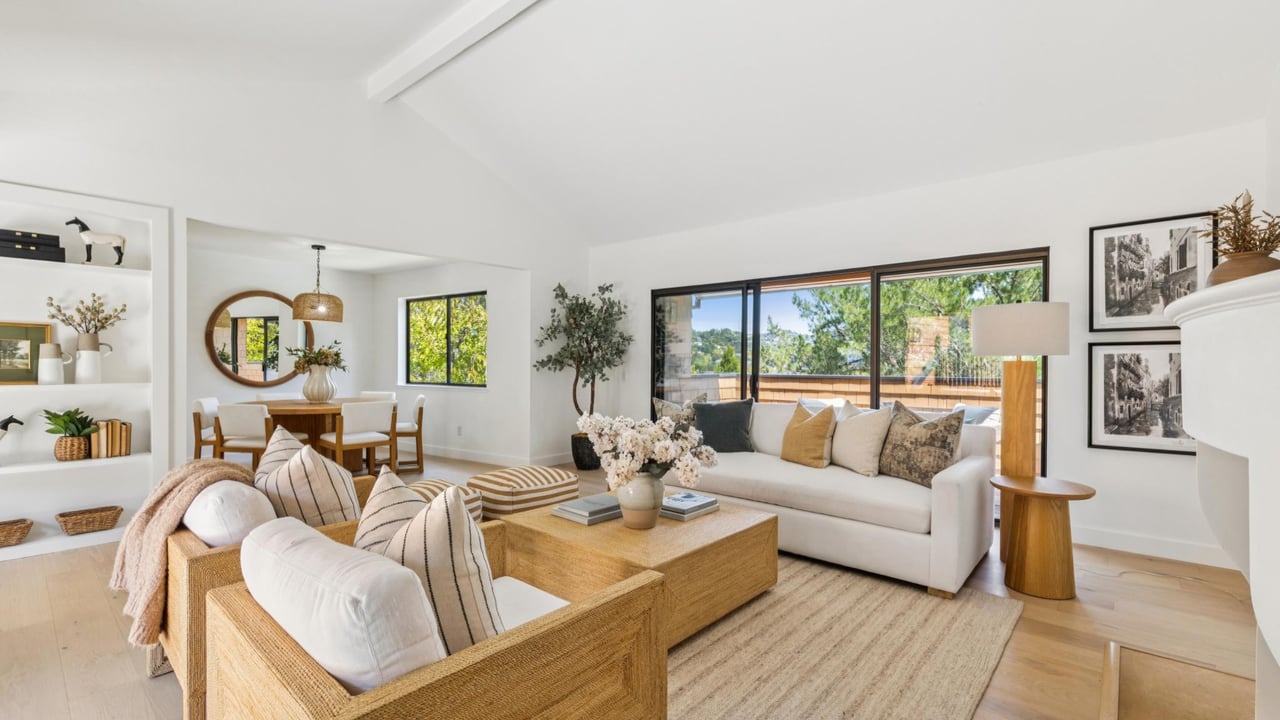
Welcome to 5 Escalle Lane, an exquisitely renovated sanctuary hidden within Larkspur’s enchanting Escalle Village. This 2-bedroom, 2.5-bathroom townhouse offers 1,503 … Read more

I’m proud to sponsor the Sleepy Hollow Fall Gala & Auction on Saturday, October 3rd at 5:00pm at the Sleepy Hollow Community Center.
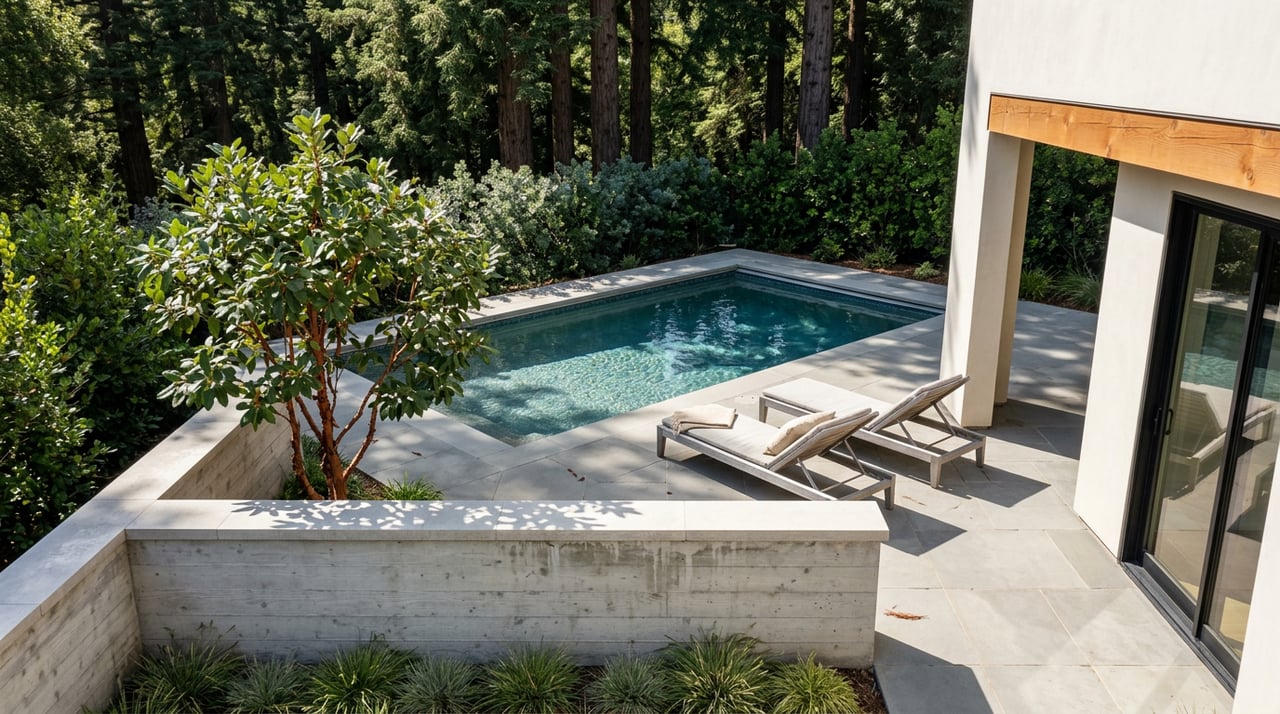
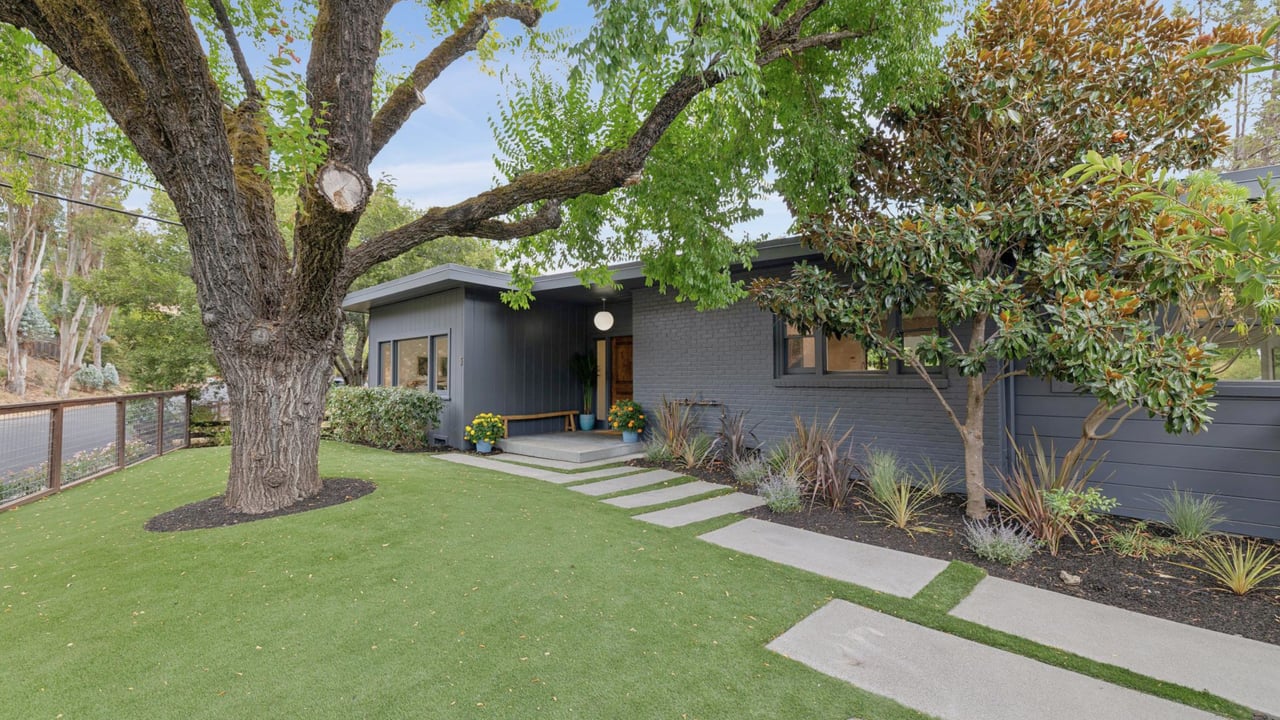
From the moment you arrive along the sweet, tree-lined street in the flats of San Anselmo, 5 Angela Avenue greets you with striking mid-century architectural lines, an… Read more
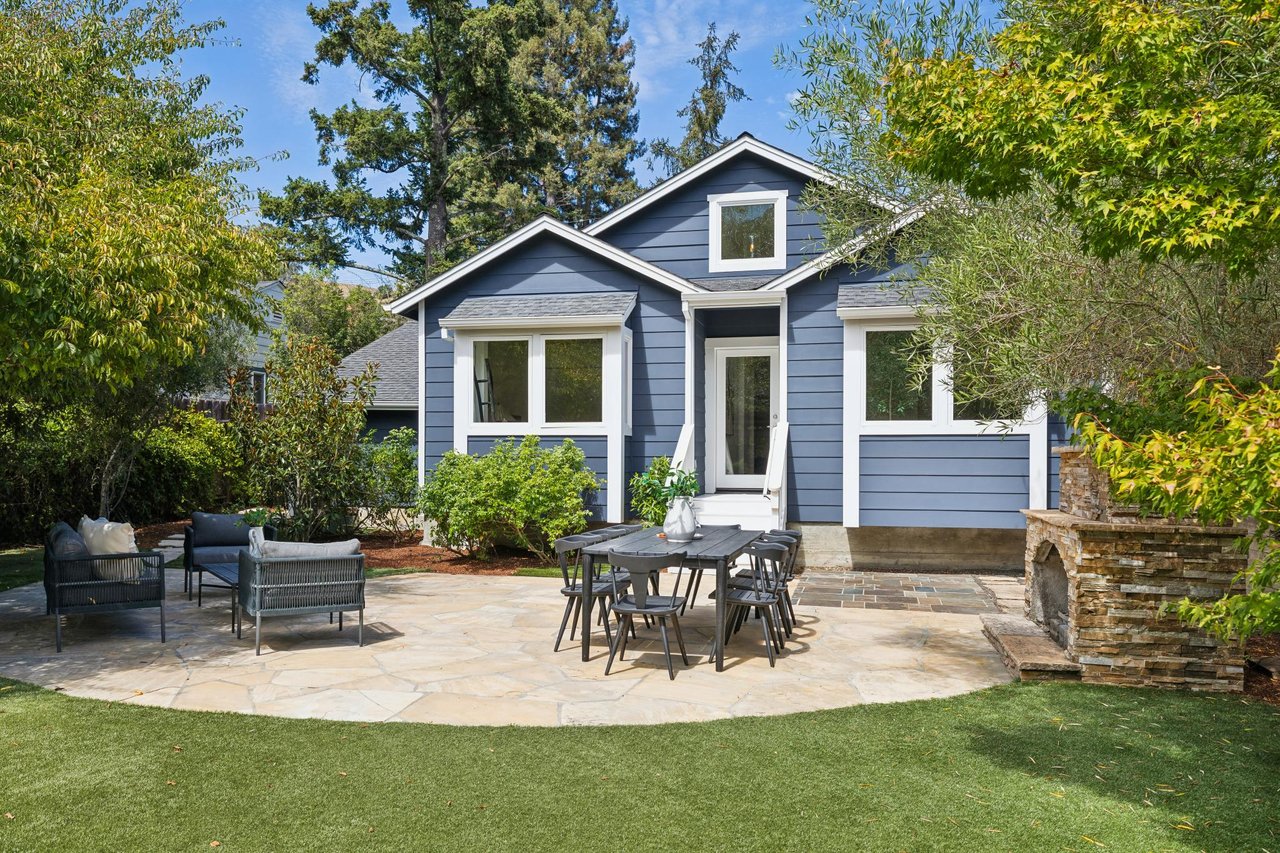
Welcome to 233 Humboldt Street—a home that truly redefines easy living, indoor-outdoor entertaining, and timeless charm. ✨
Zamira's perfected the fine execution of a successful and seamless real estate deal while exceeding client expectations with superior concierge service, savvy negotiations, a brilliant marketing plan and proven track record that always lands her in the top echelon of Marin County Real Estate Agents. Zamira brings an exorbitant amount of energy and enthusiasm to work every single day. With the highest level of integrity and impeccable reputation, her clients are always confident she is the most passionate and determined advocate to get them the results they expect and desire. Contact Zamira today to discuss your real estate goals. She's ready for you!