

May 21, 2026
Thinking about leaving San Francisco but not ready to give up Bay Area access? Mill Valley often comes up for a reason. You get a smaller, more residential setting, strong access to outdoor space, and a community rhythm that feels very different from city living. If you are weighing the tradeoffs, this guide will help you understand what really changes when you move from San Francisco to Mill Valley. Let’s dive in.
Mill Valley is not just a suburb of San Francisco. It is a much smaller community with a distinct day-to-day pace. The city describes itself as a roughly 4.8-square-mile community about 14 miles north of San Francisco, with about 14,000 residents.
That smaller scale shapes daily life. Instead of the density and constant motion you may be used to in San Francisco, Mill Valley leans more toward neighborhood-centered living. The city also highlights a lively and engaged local community, which shows up in how people spend time close to home.
Mill Valley’s public events help paint a clear picture of its lifestyle. The city’s arts and recreation calendar includes recurring events like First Tuesday ArtWalks, Concerts in the Plaza, Comedy in the Plaza, and PRIDE Mill Valley.
That does not mean there is nothing to do. It means the rhythm is different. In Mill Valley, your week may feel more rooted in local events, daytime outings, and community gatherings than in the broader urban pace of San Francisco.
One of the biggest surprises for San Francisco buyers is that Mill Valley is not currently the budget-friendly option. In March 2026, the median sale price in Mill Valley was $2.425 million. In the same period, San Francisco’s median sale price was $1.6875 million.
That matters because many buyers start with the idea that moving north means getting more value for less. In Mill Valley, you may gain a different lifestyle and often a different type of home, but you should not assume a lower price point.
Mill Valley is also a fast-moving market. In March 2026, homes sold in about 14 days, only 15 homes sold during the month, and Redfin labeled the market “most competitive.”
For you as a buyer, that means timing matters. If you are serious about Mill Valley, financing readiness, quick decision-making, and a clear sense of your must-haves can make a real difference.
Part of the reason inventory feels tight is simple: Mill Valley is a small place with a limited housing base. The city’s Housing Element reports 6,628 total housing units, with about 70% owner-occupied.
The housing mix also matters. About 76% of the stock is single-family and 24% is multifamily, so the market naturally offers fewer attached or higher-density options than many parts of San Francisco.
The city reported a 7.9% vacancy rate in its housing analysis, but that does not mean there is a large pool of homes sitting available. A significant share of those units were tied to seasonal use, sales activity, or renovation.
If you picture Mill Valley as only detached homes on larger lots, you may miss viable options. The city has noted that accessory dwelling units play an important role in the housing mix, and more than 118 ADU permits were issued from 2015 through 2021.
The housing plan also encourages a broader range of smaller-scale housing forms, including duplexes, triplexes, townhomes, and cottage clusters. For some buyers, that means the best path into Mill Valley may involve considering a condo, a smaller home, or a property with an ADU rather than waiting for a very specific single-family listing.
If you are still deciding whether Mill Valley is the right fit, it helps to compare it with nearby alternatives.
| Location | Median Sale Price | Key Takeaway |
|---|---|---|
| Mill Valley | $2.425M | Premium, highly competitive, limited inventory |
| San Francisco | $1.6875M | Lower median price than Mill Valley in this period |
| Marin County | $1.505M | Mill Valley sits well above the county median |
| San Rafael | $1.1485M | Lower-priced alternative within Marin |
San Rafael is especially useful as a comparison point. If you want to stay in Marin but are still sorting out budget, property type, and commute tradeoffs, it offers a meaningfully different price point than Mill Valley.
If you still work in San Francisco, the commute deserves close attention. Golden Gate Transit lists Route 114 between Mill Valley and the San Francisco Financial District. Marin Transit also lists Route 17 connecting Downtown San Rafael and Sausalito via Mill Valley.
That is helpful, but it also shows how different your routine may become. In Mill Valley, commuting is much more bridge- and corridor-oriented than it is in San Francisco itself.
A map will not tell you everything. If downtown access still matters to your week, it is worth looking closely at bus schedules, work hours, and how comfortable you are with bridge-dependent travel.
This is one of the biggest practical filters in a move from San Francisco to Mill Valley. A home can check every box on paper, but if the commute does not match your real schedule, the fit may not feel right over time.
For many buyers, the biggest draw is not the house alone. It is what surrounds it. Mount Tamalpais State Park sits just north of the Golden Gate Bridge and includes redwood forests, oak woodlands, grasslands, trails, camping, and major viewpoints over San Francisco Bay and beyond.
California State Parks also notes that many trails connect with nearby Muir Woods National Monument. That level of immediate outdoor access is a defining part of life in Mill Valley.
The city’s own park network adds to that appeal. Mill Valley includes Bayfront Park, Blithedale Park, Old Mill Park, Downtown Plaza, Scott Highlands Park, a skate park, and a 9-hole golf course.
When you combine those local spaces with access to Mount Tam, it becomes easier to understand why Mill Valley appeals to buyers who want a more outdoors-forward routine. Daily life can feel more tied to parks, trails, and time outside.
A move from San Francisco to Mill Valley is usually less about leaving the Bay Area and more about changing your everyday environment. You may gain a quieter residential setting, stronger access to nature, and a community life that feels more local.
At the same time, you are often trading for a tighter market, fewer listings, and a higher median price than many buyers expect. That is why clarity matters so much before you start your search.
If Mill Valley is high on your list, a thoughtful plan can help you compete and stay grounded in your priorities.
Here are a few smart steps:
The most successful moves tend to happen when you treat lifestyle, commute, and market conditions as one decision, not three separate ones.
If you are exploring a move from San Francisco to Mill Valley, local insight can make the process clearer and less stressful. Zamira Solari offers the kind of high-touch Marin guidance that helps you weigh neighborhoods, understand tradeoffs, and move forward with confidence.
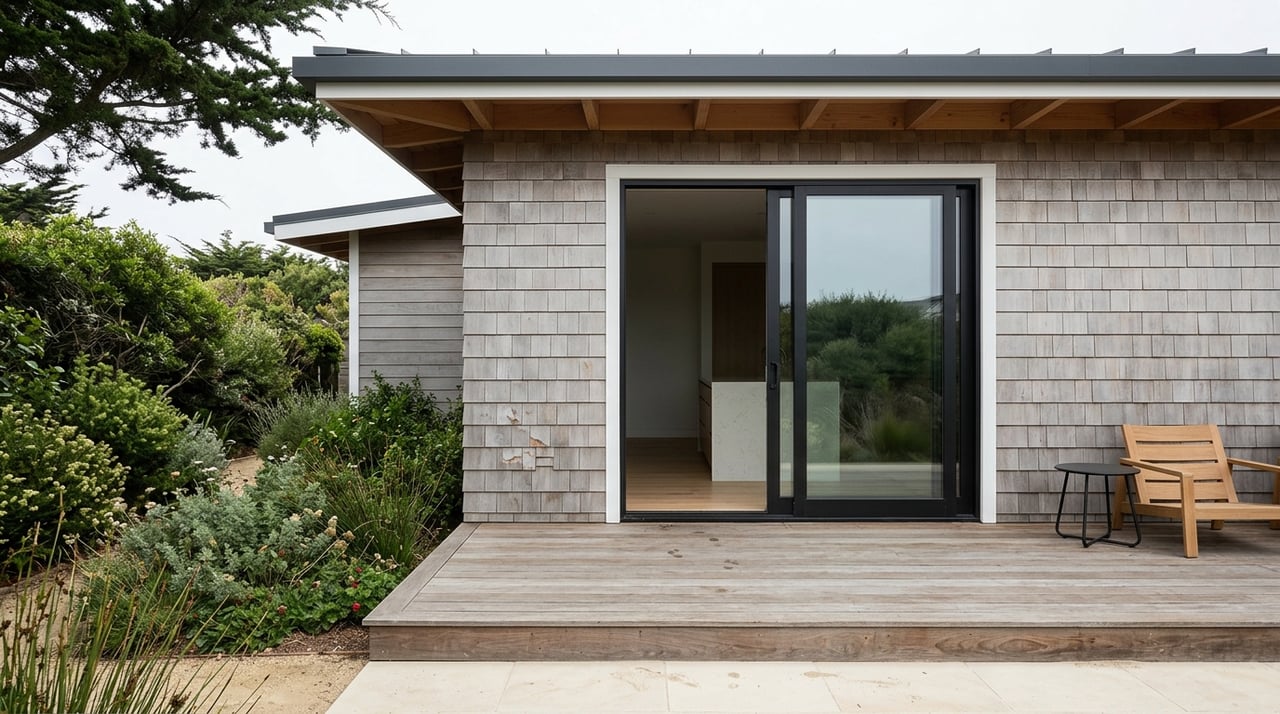

In today’s market, where some homes attract multiple offers and others linger without interest, the right listing strategy makes all the difference.

The price dropped on this beauty by $100,000. That’s an incredible price if you know the area or Marin County. You’re going to love it!
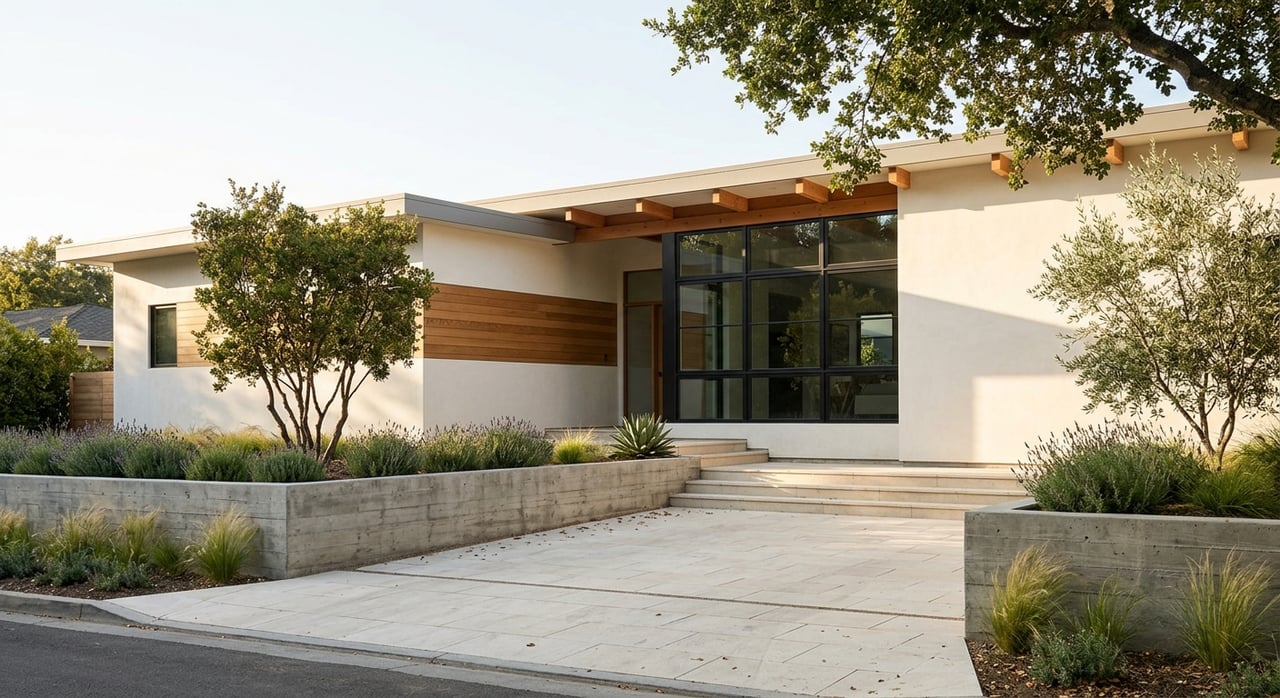
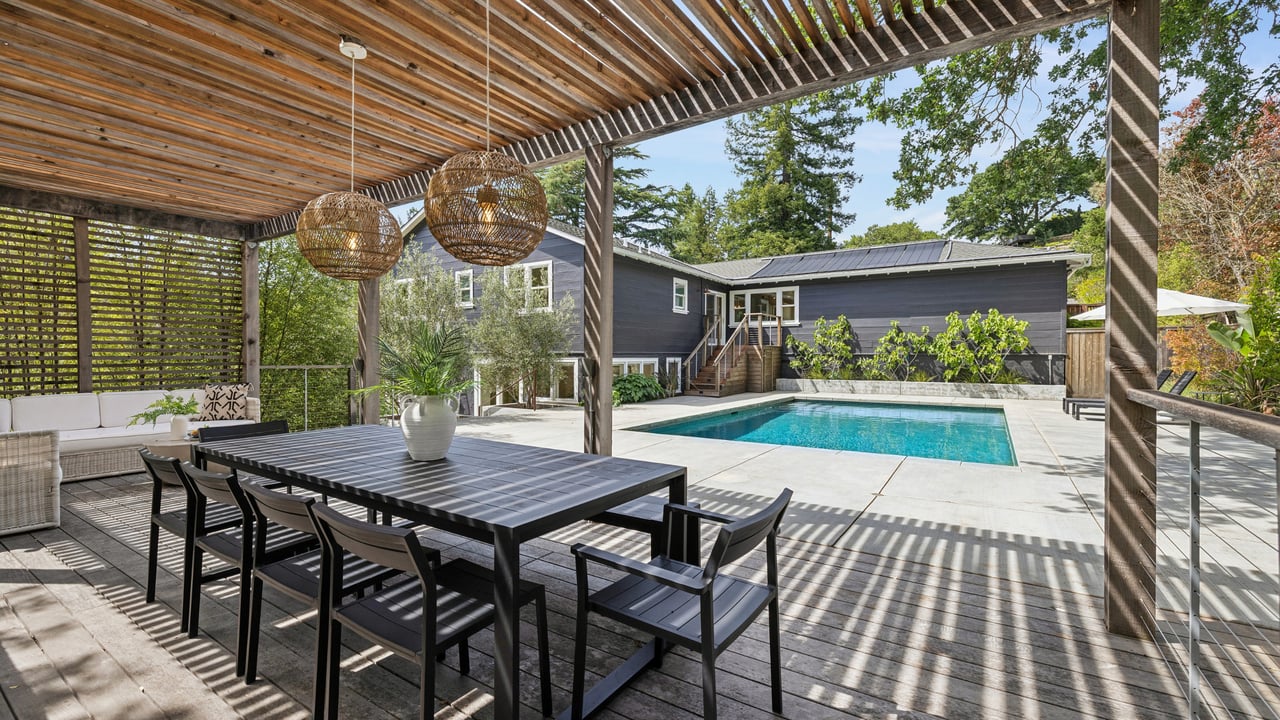
If you’ve been waiting for a property that truly captures the essence of San Anselmo’s treasured neighborhood, your search is over. Welcome to 160 Deer Hollow Road—a p… Read more
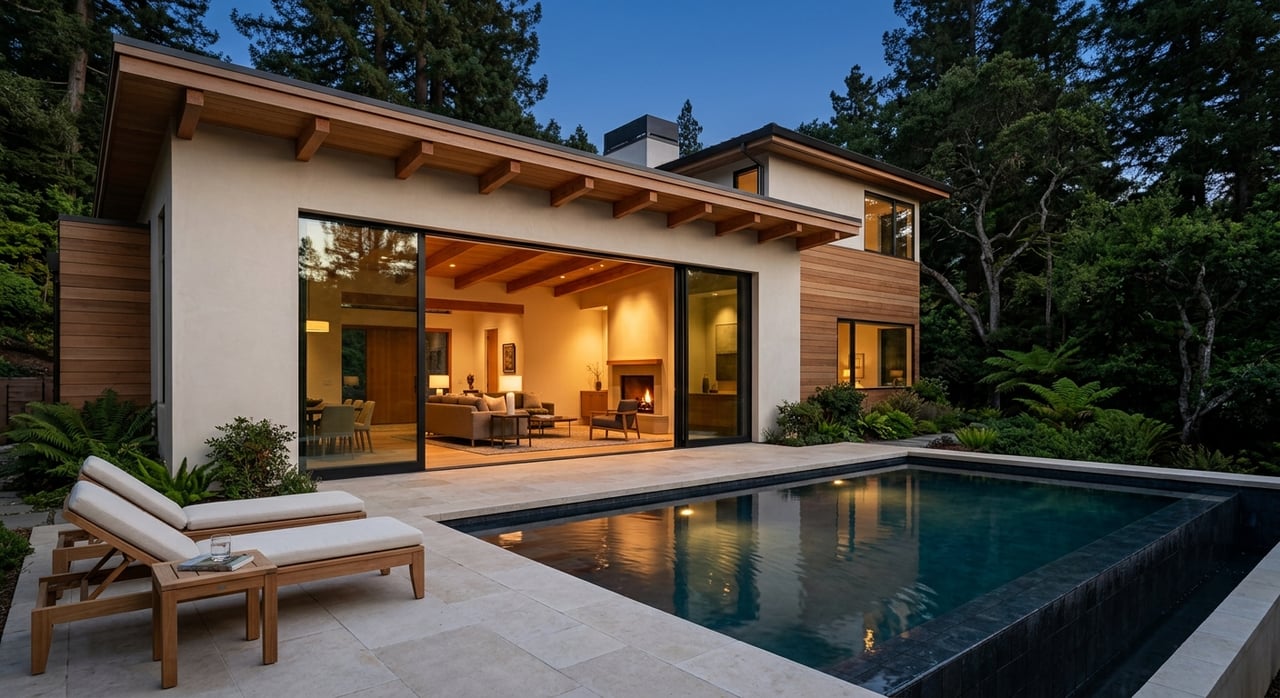
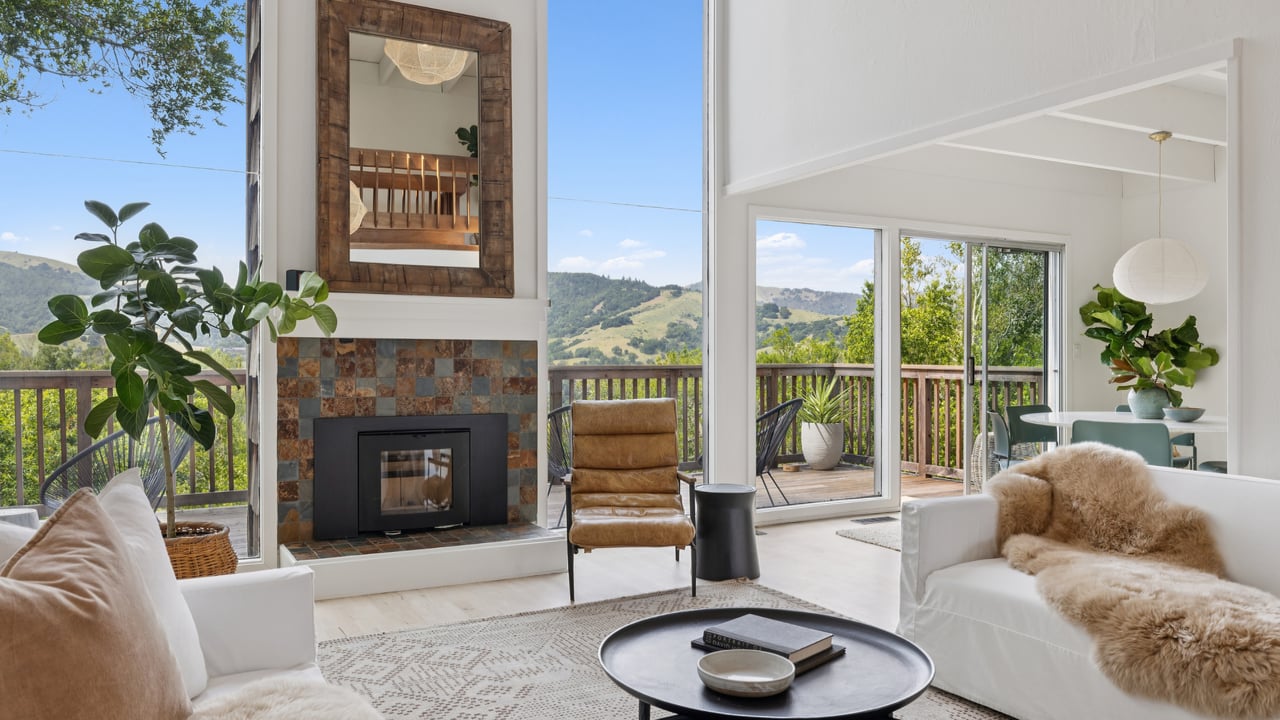
Set on a magical ~23,000 sq. ft. property in the coveted Sleepy Hollow neighborhood of San Anselmo, 140 Stuyvesant Drive is a 4-bedroom, 2-bathroom sanctuary that exer… Read more
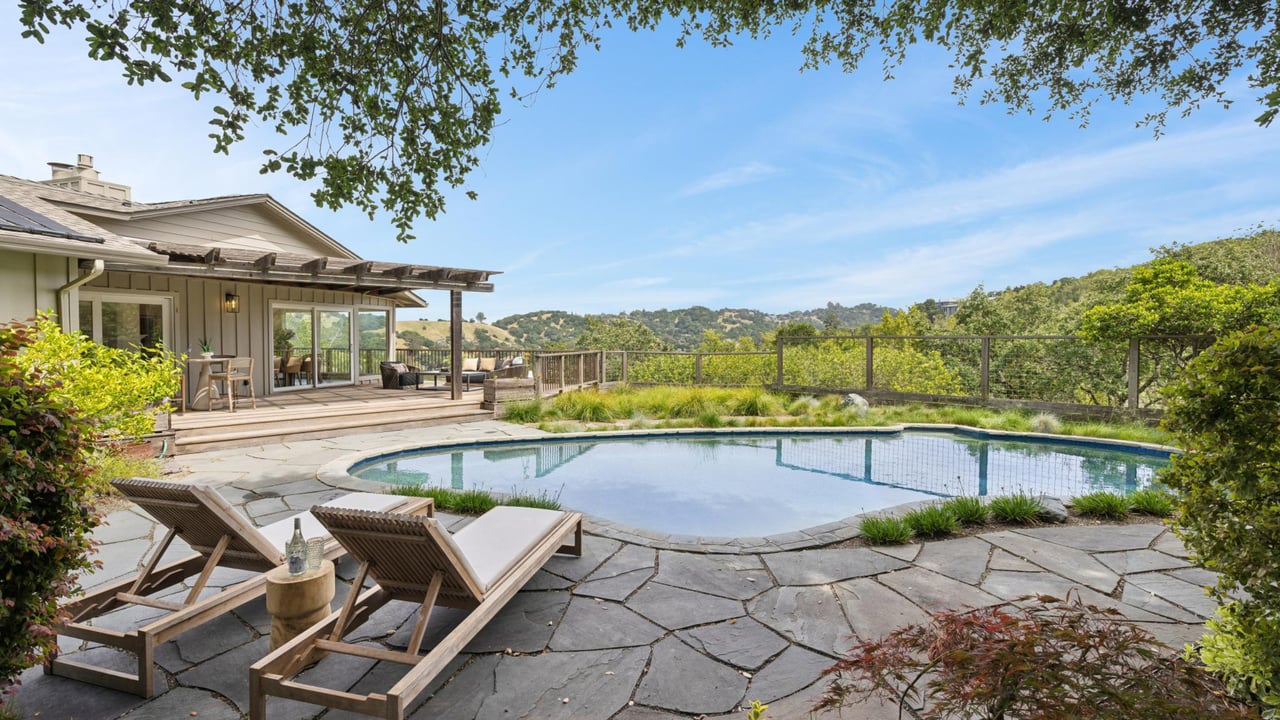
Perched on an incredible knoll-top in the heart of the sought-after Sleepy Hollow neighborhood of San Anselmo, this meticulously maintained 4BD/3BA sanctuary is offere… Read more
Zamira's perfected the fine execution of a successful and seamless real estate deal while exceeding client expectations with superior concierge service, savvy negotiations, a brilliant marketing plan and proven track record that always lands her in the top echelon of Marin County Real Estate Agents. Zamira brings an exorbitant amount of energy and enthusiasm to work every single day. With the highest level of integrity and impeccable reputation, her clients are always confident she is the most passionate and determined advocate to get them the results they expect and desire. Contact Zamira today to discuss your real estate goals. She's ready for you!