
July 2, 2026
Looking at homes in Mill Valley can feel a little like touring several towns at once. One street may offer a tucked-away cottage under redwoods, while the next reveals a remodeled midcentury home or a sleek hillside retreat. If you are trying to understand what Mill Valley home styles really look like, and what your budget may buy in different settings, this guide will help you sort through the options with more confidence. Let’s dive in.
Mill Valley is a compact city of about 4.8 square miles with roughly 14,000 residents, and its housing has long been dominated by single-family homes. Even so, there is no single “Mill Valley look.” The city’s historic preservation work shows a wide mix of architectural eras and styles, with many surveyed properties built before 1930.
That variety is part of what makes the market so appealing. You are not just choosing between old and new. You are often choosing between different settings, levels of privacy, access to downtown, and how closely a home connects to the landscape.
Mill Valley is also an upper-tier Marin market. Recent spring 2026 data placed average or typical home values around the low $2 million range, with median sale pricing generally above many nearby Marin towns and below Tiburon and Belvedere. Zillow also reported homes going pending in around 11 days, which speaks to steady demand.
In many markets, square footage leads the conversation. In Mill Valley, the setting often comes first.
A smaller home close to downtown, trails, redwoods, or views may command more attention than a larger home in a less compelling location. That is because buyers here often value privacy, walkability, outdoor access, and site character just as much as interior size.
The city’s pedestrian history helps explain why. Mill Valley maintains more than 175 original steps, lanes, and paths, and those routes were designed for everyday life, from visiting neighbors to reaching downtown and commuting connections. Today, proximity to trails and outdoor recreation is a real lifestyle feature, not just a nice extra.
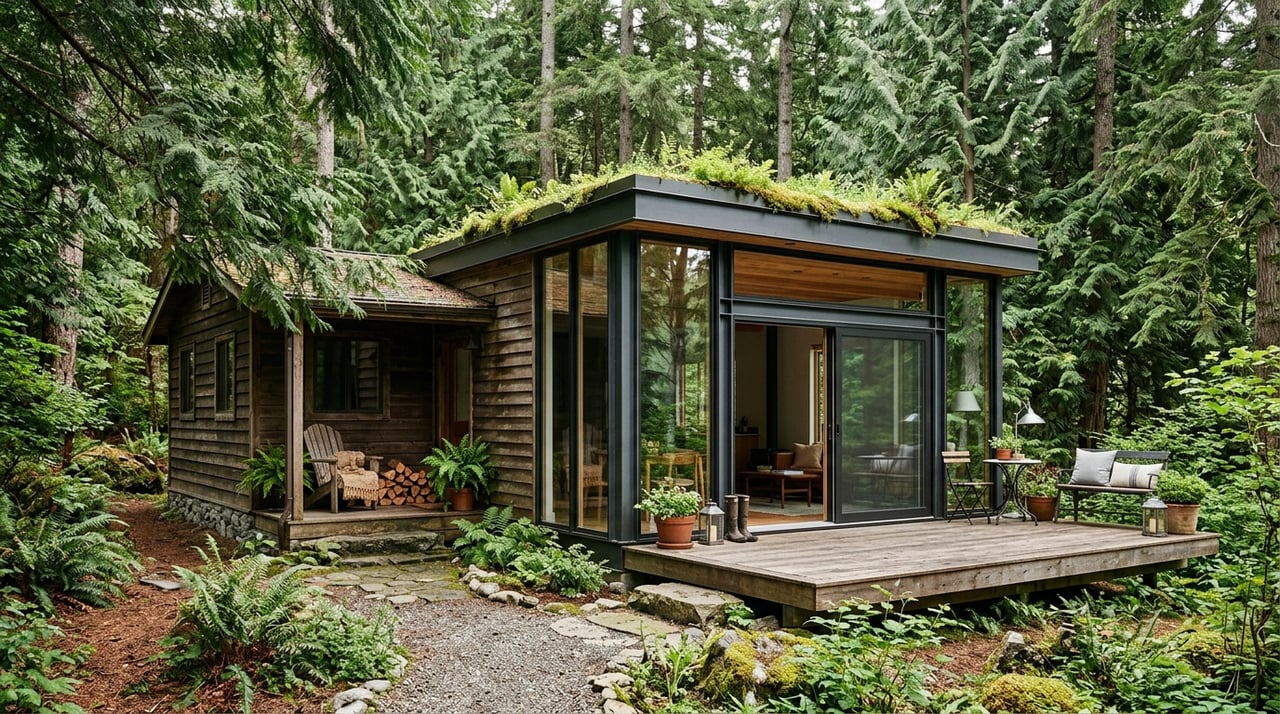
When you hear the word cabin in Mill Valley, think forest cottage or early retreat, not a rustic log structure. The city’s historic context recognizes recreational property types such as former hunting lodges and trail-oriented retreats, and that history still shapes buyer expectations.
Many of these homes are wood-clad, compact, and closely tied to their natural surroundings. Some remain simple and cozy. Others have been extensively updated, blending original charm with modern kitchens, better systems, and more usable indoor-outdoor space.
Cabins and cottages often appeal to buyers who want character over sheer size. You may find:
In recent examples, the roughly $1.2 million to $2 million range included smaller single-family homes, cabins, and cottages. Sales like 704 Cabin Drive at $1,215,000 and 574 Panoramic Highway at $1,750,000 show how this price band often buys atmosphere, access, and setting more than large interior volume.
That is an important Mill Valley lesson. A modest home under the trees can compete very well if the site feels special.
Mill Valley’s historic inventory identifies a broad mix of styles, including Vernacular, First Bay Tradition, Queen Anne, Italianate, Tudor, Craftsman, Colonial Revival, Spanish Colonial Revival, Classical Revival, and Art Deco. That means buyers may encounter homes from several design eras in one search.
For many people, this is part of the fun. Historic homes can offer a stronger sense of place, more design detail, and an architectural identity that feels different from newer construction.
Two especially useful style references in Mill Valley are First Bay Tradition and Craftsman homes. First Bay Tradition houses often feature shingle cladding, steep roofs, and prominent porches. Craftsman homes may bring warm wood details, handcrafted finishes, and a more grounded, classic feel.
Near downtown and in established pockets, these homes can attract buyers who want both character and convenience. A well-located older home that has been carefully updated may appeal just as much as a newer property, especially if it offers quick access to town, paths, or daily amenities.
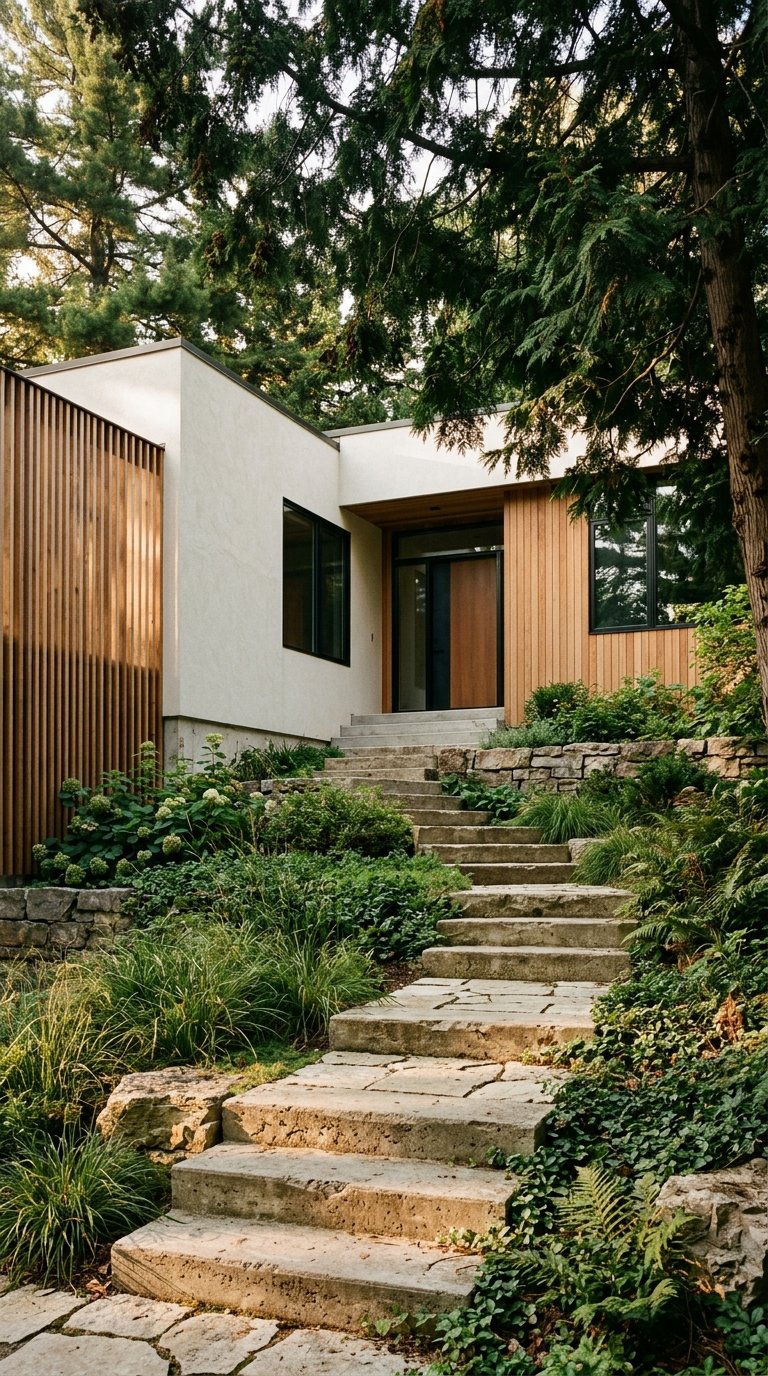
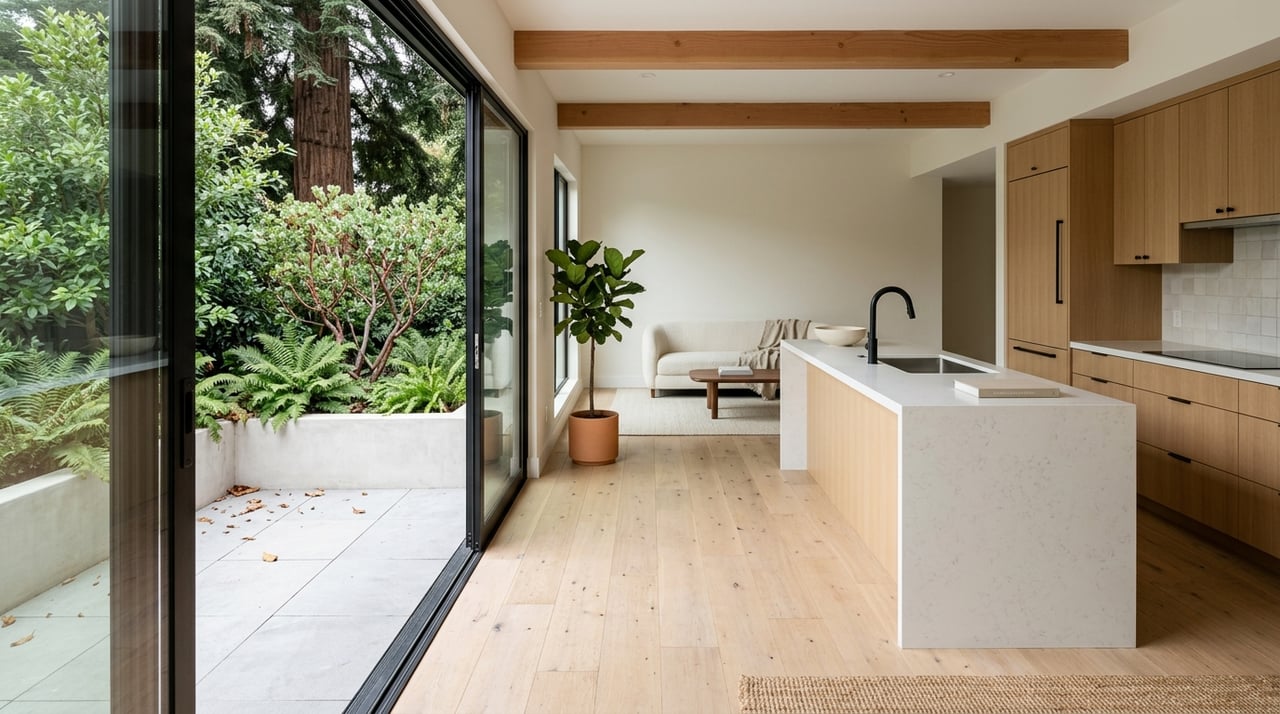
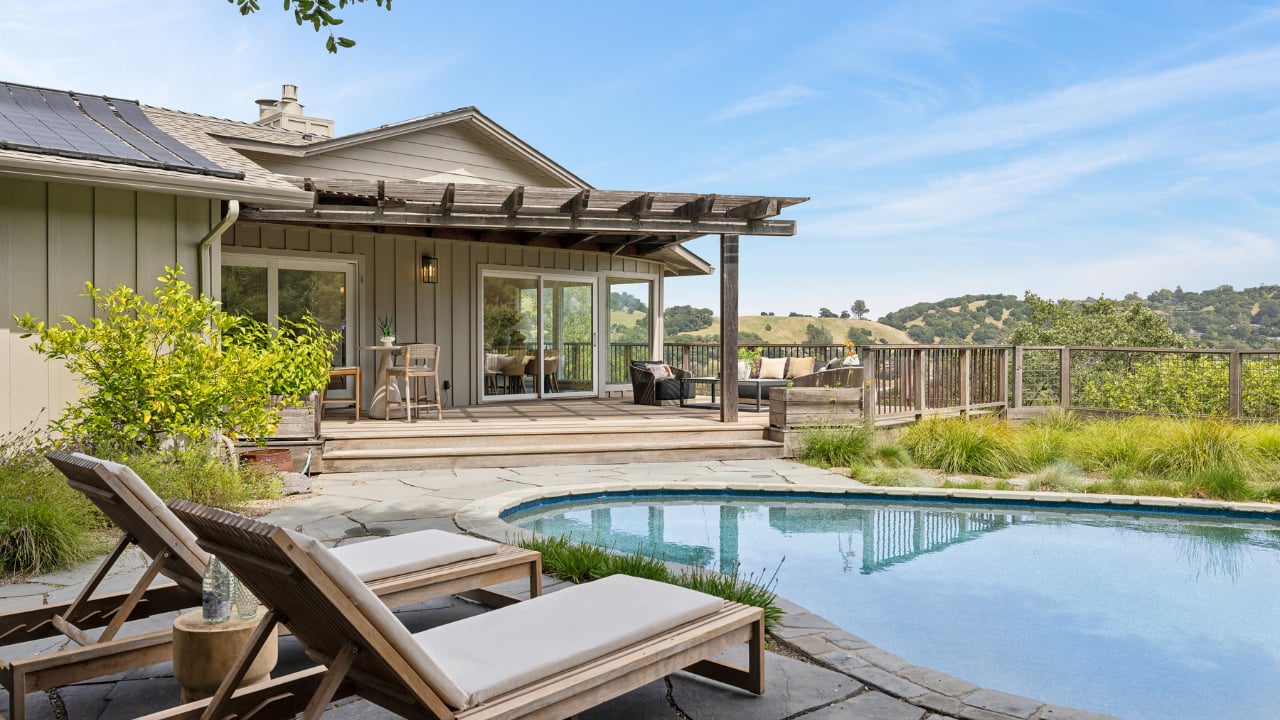
Postwar Bay Tradition and Midcentury Modern homes feel especially at home in Mill Valley. According to the city’s historic context work, these later homes often emphasize large windows, open floor plans, local materials such as redwood, and strong indoor-outdoor living.
That design language works beautifully with hillside sites and wooded surroundings. Instead of competing with the landscape, these homes often frame it.
If you are considering a midcentury or postwar home in Mill Valley, you may find features such as:
In the roughly $2 million to $3.5 million range, updated midcentury homes and better-sited properties become more common. Recent examples in that band include homes like 57 Meadow Drive and 2 Bay Tree Lane, where site quality and indoor-outdoor flow help define value.
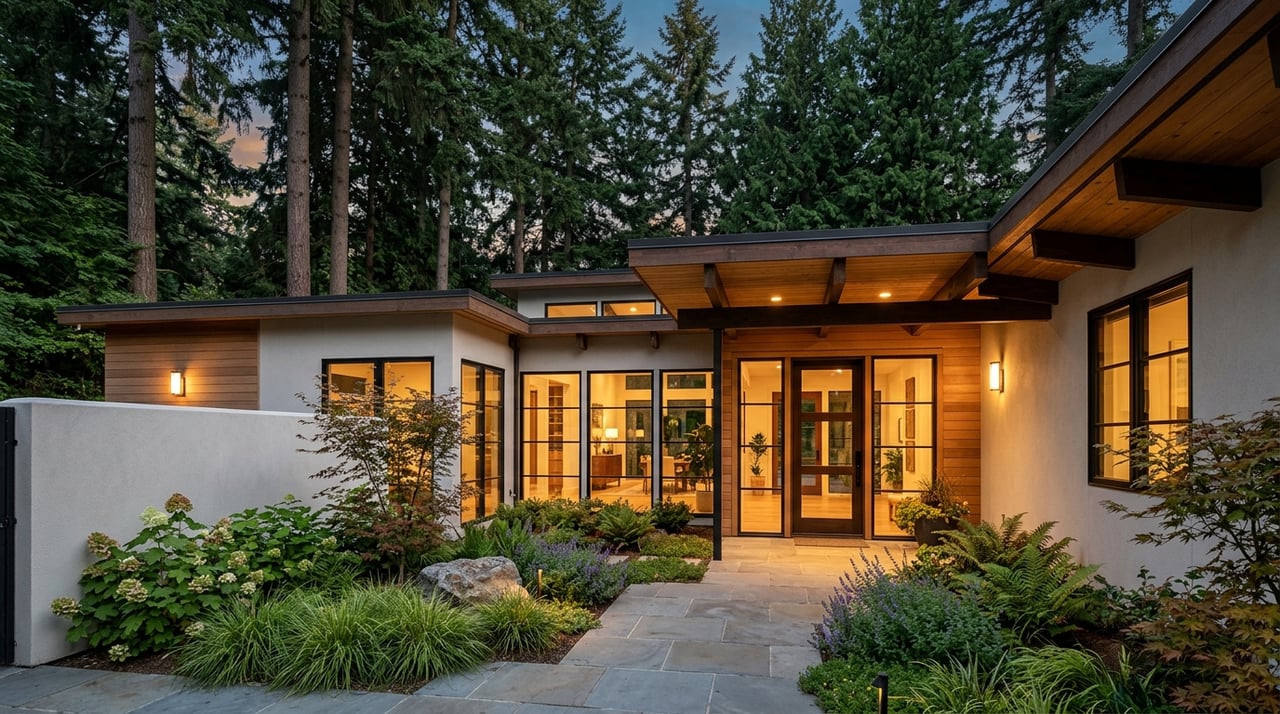
At the top end of the Mill Valley market, contemporary homes often compete on site, privacy, and design. These are the properties where the setting and architecture work together most intentionally.
You may see dramatic hillside placements, cleaner lines, larger glass openings, and a stronger emphasis on light, views, and separation from neighboring homes. In many cases, the premium is not simply about square footage. It is about how well the home captures its location.
Recent examples suggest that roughly $3.5 million and up is where privacy and contemporary design become more central to the value story, though some homes just below that level may still fit the category. Listings such as 30 Edgehill Road and homes like 120 Hillside Avenue illustrate how newer or more design-forward properties can command substantial premiums.
If you are shopping in this range, details like approach, orientation, outdoor space, and renovation quality matter a great deal. Two homes at similar sizes can feel very different in value depending on the lot and how the architecture responds to it.
Here is a simple way to think about Mill Valley pricing by category and setting:
| Budget Range | What You May Find | Common Trade-Off |
|---|---|---|
| Under about $1.2M | Attached housing or smaller units | Less land, more convenience and lower maintenance |
| About $1.2M to $2M | Small single-family homes, cabins, cottages | More character or setting, less interior space |
| About $2M to $3.5M | Updated midcentury homes, larger lots, stronger indoor-outdoor flow | Higher pricing for site quality and upgrades |
| $3.5M and up | Contemporary retreats, privacy, premium sites | Significant premium for design and location |
The main takeaway is that Mill Valley is highly site-sensitive. Your budget may buy very different homes depending on whether you prioritize downtown access, wooded privacy, views, or outdoor connection.
Not every home with a Mill Valley mailing address is actually within the city limits. The city notes that areas like Strawberry, Tam Valley, Homestead, Almonte, and Alto may carry Mill Valley postal addresses while being outside the city itself in unincorporated Marin.
That matters because city services, permitting rules, and other jurisdiction details can differ. If you are comparing homes across these areas, it is worth verifying exactly where a property sits before making assumptions based on the address alone.
One of the biggest decisions in Mill Valley is whether you want to be closer to downtown or farther into the hills and trees. A walk-to-town location may offer easier daily access and a stronger neighborhood feel, while a hillside property may deliver more privacy and a more immersive natural setting.
Neither is better for every buyer. It depends on how you want to live day to day.
Trail access is a meaningful draw in Mill Valley. The Dipsea Race starts downtown, includes more than 600 steps, and runs 7.4 miles to Stinson Beach. Muir Woods is only a few miles away and can be reached on foot via the Dipsea Trail.
That outdoor access is a real advantage, but some trail-close or hillside homes can involve narrower roads, more stairs, or less direct in-and-out driving. For some buyers, that trade-off feels worth it immediately. For others, convenience carries more weight.
Mill Valley is largely built out, with the city’s 2024 housing-element update noting that 97% of parcels are already developed. The same update says 86% of parcels are in areas of heightened fire risk and or flood plains.
In practical terms, that means many of the strongest opportunities are remodeled homes, rebuilt houses, or carefully sited infill rather than raw-lot development. Buyers often benefit from looking closely at how well a home has been updated, how thoughtfully the site has been handled, and whether improvements feel integrated rather than piecemeal.
If you are considering Mill Valley, it helps to compare homes by lifestyle fit, not just by bed and bath count. A smaller house in the right setting may suit you better than a bigger home that misses the mark on privacy, access, or connection to the outdoors.
A focused search usually starts with a few clear questions:
The right answer in Mill Valley is often less about chasing one “best” style and more about matching the home to the way you want to live.
If you are weighing Mill Valley against other Marin towns, or trying to narrow in on the right pocket and home style, Zamira Solari can help you compare options with local context and a calm, high-touch approach.
I am so excited to find these new cute shops in downtown San Anselmo. Now is the time to slow down and enjoy all that this amazing town has to offer.
Sleepy Hollow, San Anselmo just got great new neighbors!

One of my favortie things about living in San Anselmo is the summer concert series, Live on the Avenue. Downtown transforms as the streets get shut down, there’s activ… Read more

Sleepy Hollow, San Anselmo, just got amazing new neighbors!!!!
Zamira's perfected the fine execution of a successful and seamless real estate deal while exceeding client expectations with superior concierge service, savvy negotiations, a brilliant marketing plan and proven track record that always lands her in the top echelon of Marin County Real Estate Agents. Zamira brings an exorbitant amount of energy and enthusiasm to work every single day. With the highest level of integrity and impeccable reputation, her clients are always confident she is the most passionate and determined advocate to get them the results they expect and desire. Contact Zamira today to discuss your real estate goals. She's ready for you!