
May 7, 2026
Wondering why one Marin home gets multiple offers in a week while another sits for months, even when both seem well priced? If you are buying or selling in Marin, that disconnect can feel confusing fast. The good news is that there is a clear reason behind it, and understanding it can help you make smarter decisions. Let’s dive in.
Marin County is best understood as a collection of smaller pricing ecosystems, not one uniform market. The county spans 520 square miles, includes eleven incorporated cities and towns, and has a mix of denser east corridor communities and more rural inland and coastal areas. That geographic spread is one reason countywide pricing advice can miss the mark when you get down to the neighborhood and town level.
A county snapshot can still be useful as a starting point. In March 2026, Marin County showed a median listing price of $1.4 million, 702 homes for sale, a 100% sale-to-list ratio, and a seller’s market, with median days on market down 13.33% year over year. But that broad picture does not tell you how a home in San Anselmo should be priced versus one in Tiburon, Ross, or San Rafael.
When you rely too heavily on a county median, you risk missing the real competitive set for your home. Marin’s town-level pricing bands vary widely, and those differences can change your strategy by hundreds of thousands of dollars. For both buyers and sellers, that means the right benchmark is almost always the closest relevant local comp set, not the county average.
This is especially important in a market like Marin, where inventory, price point, and buyer expectations change from town to town. A pricing strategy that works in a broader-inventory area may not fit a smaller, higher-priced enclave. That is why local context matters so much.
Recent closed-sale data from BAREIS shows just how wide the spread can be. In 2025, Kentfield averaged $2.78 million with 37 average days on market, Tiburon averaged $3.3 million with 44 days, Ross averaged $2.775 million with 21 days, San Anselmo averaged $1.71 million with 38 days, Larkspur averaged $1.435 million with 39 days, and San Rafael averaged $1.254 million with 54 days.
Those numbers show more than a simple price ladder. They also point to different market speeds, different buyer pools, and different pricing pressure. A seller in Ross is not competing in the same environment as a seller in San Rafael, even though both are in Marin.
Ross, Tiburon, and Kentfield sit in Marin’s top pricing tier, but they do not behave exactly the same way. Ross showed a March 2026 median sale price of $3.5 million and 21 median days on market, while Tiburon showed a $2.8 million median sale price, 16 homes sold, 21 median days on market, and a 101.9% sale-to-list ratio.
At first glance, those areas may seem interchangeable because both are expensive and relatively fast-moving. In practice, pricing still needs to reflect the specific town, the current listing competition, and the property’s condition and presentation. Even within the luxury end of the market, the margin for error can be significant.
San Anselmo, Greenbrae, and Larkspur sit below Tiburon and Ross in price, but they remain competitive markets. The 2025 BAREIS year-end report placed San Anselmo at $1.71 million with 38 average days on market, Greenbrae at $2.4 million with 37 days, and Larkspur at $1.435 million with 39 days.
That matters if you are assuming lower price points always mean slower activity. In many Marin micro-markets, buyers still move quickly when a home is well positioned. The right list price, paired with strong presentation, can have a major impact.
San Rafael is a useful comparison because it tends to have more inventory and a broader buyer pool. Current market snapshots show 197 homes for sale and 26 median days on market, while BAREIS reported 44 closed sales in March 2026 at an average of $1.193 million and 40 average days on market.
For buyers, that can mean more choice and a different negotiating rhythm than in tighter, smaller submarkets. For sellers, it means pricing has to account for more direct competition. A broad county statistic will not capture that nuance.
If you have ever compared market reports and wondered why the numbers do not match, you are not imagining it. Different data sources measure different things. Realtor.com focuses on current listing-market metrics, Redfin summarizes recent closed-sale activity, and BAREIS reports MLS closed sales.
These sources can all be helpful, but they are not interchangeable. A median listing price tells you what sellers are asking right now. A median or average sold price tells you what buyers actually paid in recent transactions. Looking at those side by side usually gives you a more realistic picture.
In some Marin towns, monthly sales counts are very low. BAREIS’s March 2026 area report showed only 2 sales in Kentfield, 3 in Ross, 6 in San Anselmo, and 6 in Larkspur. With numbers that small, one or two unusually high or low sales can swing the monthly average in a big way.
That is why a single monthly headline should not drive your entire pricing strategy. You need to look at the broader pattern, recent comparable sales, and the specific product mix in the market. In small submarkets, month-to-month changes often reflect property type and condition as much as market direction.
Even within one micro-market, homes do not perform the same way. In San Anselmo, 94 Berkeley Ave sold 13% over list in 25 days, while 405 Scenic Ave sold 2% under list after 187 days. In Kentfield, 1 Lilac Ave sold 11% over list in 21 days, while 101 Laurel Grove Ave sold 25% under list after 110 days.
Those are meaningful differences, and they show why pricing is only part of the strategy. Buyers respond to how a property shows, how it is positioned against competing listings, and whether the asking price feels credible for its condition and features. Two homes in the same town can have very different outcomes.
Tiburon shows the same pattern at the higher end of the market. While March 2026 data showed a 101.9% sale-to-list ratio and 21 median days on market, individual sales ranged from 9% under list to 3% over list.
That is a good reminder that a strong luxury market does not mean every home can stretch price without consequence. Buyers at higher price points are often highly selective. If a home is not aligned with the market on value, condition, or presentation, they may simply move on.
If you are selling in Marin, your pricing strategy should start with the nearest relevant comps, not a countywide headline. The best benchmarks are recent same-town closed sales, current competing inventory, local sale-to-list patterns, and days on market. These signals are usually more useful than a broad Bay Area rule of thumb.
You also need to factor in where your property fits within its own town. Is it turnkey or does it need work? Does it show well against current competition? Is it likely to appeal to the strongest buyer pool for that area and price point? Those details can influence the result just as much as the list price itself.
For many sellers, thoughtful pre-sale preparation can make pricing more effective. When presentation is stronger, the market has an easier time recognizing value. That is one reason a tailored, high-touch launch plan can be so important in Marin’s smaller submarkets.
If you are buying, local speed matters just as much as local price. In faster submarkets, same-town closed sales, inventory levels, sale-to-list ratios, and days on market can tell you how aggressively you may need to act. In slower or more selective pockets, those same signals can help you spot where careful negotiation may matter more.
The key is to avoid treating all of Marin as if it moves in one rhythm. A strategy that makes sense in Tiburon may not fit San Rafael. A number that feels competitive in Ross may be unrealistic in another town.
The biggest takeaway is simple: generic pricing advice often fails in Marin because Marin is not one market. It is a network of micro-markets shaped by geography, inventory, price band, and buyer behavior. Whether you are buying or selling, better decisions start with the right local frame of reference.
That is where deep neighborhood knowledge can make a real difference. When you combine recent local comps, current inventory, condition, presentation, and market pace, your pricing strategy becomes more accurate and more useful. If you want a thoughtful plan tailored to your part of Marin, Zamira Solari can help you navigate the details with clarity and confidence.
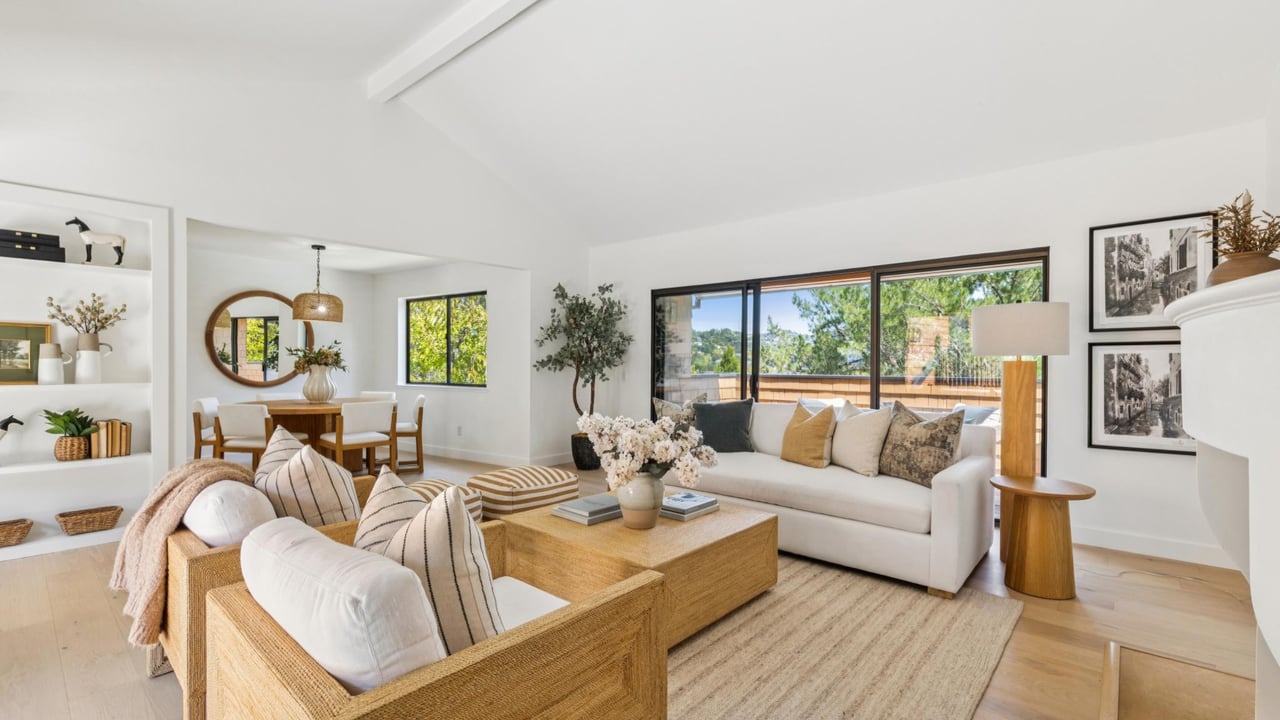
Welcome to 5 Escalle Lane, an exquisitely renovated sanctuary hidden within Larkspur’s enchanting Escalle Village. This 2-bedroom, 2.5-bathroom townhouse offers 1,503 … Read more

I’m proud to sponsor the Sleepy Hollow Fall Gala & Auction on Saturday, October 3rd at 5:00pm at the Sleepy Hollow Community Center.
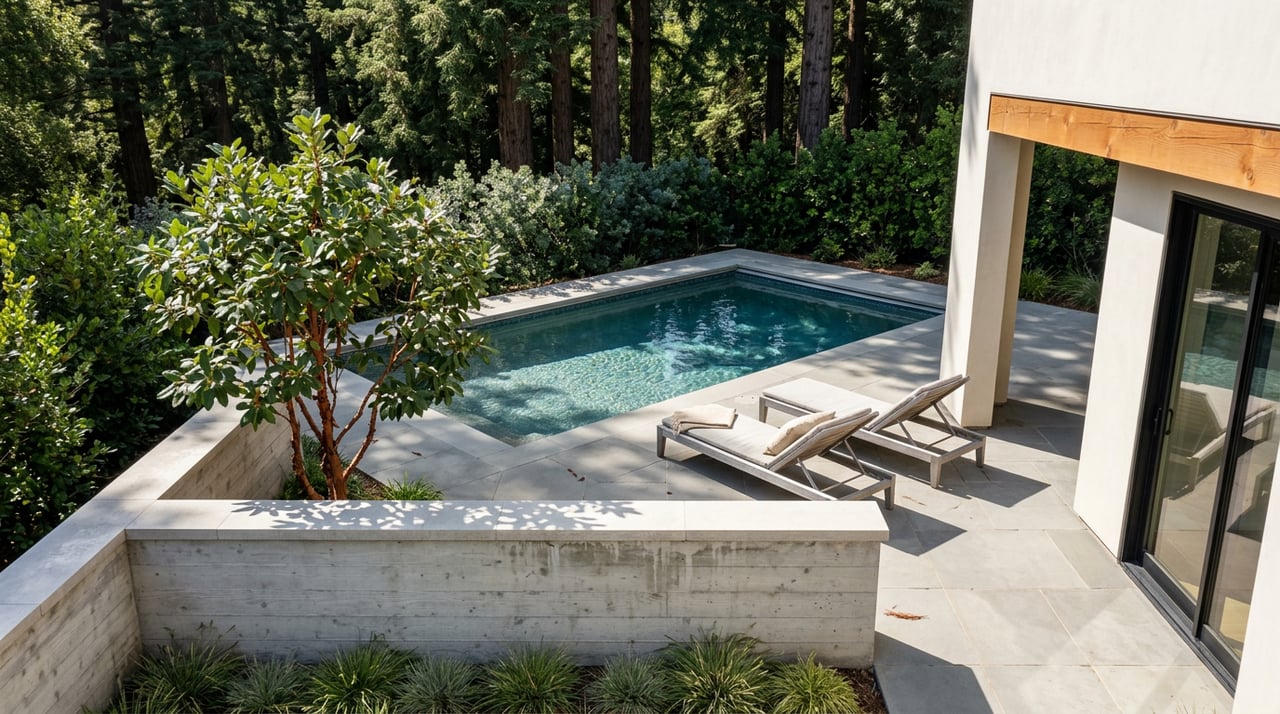
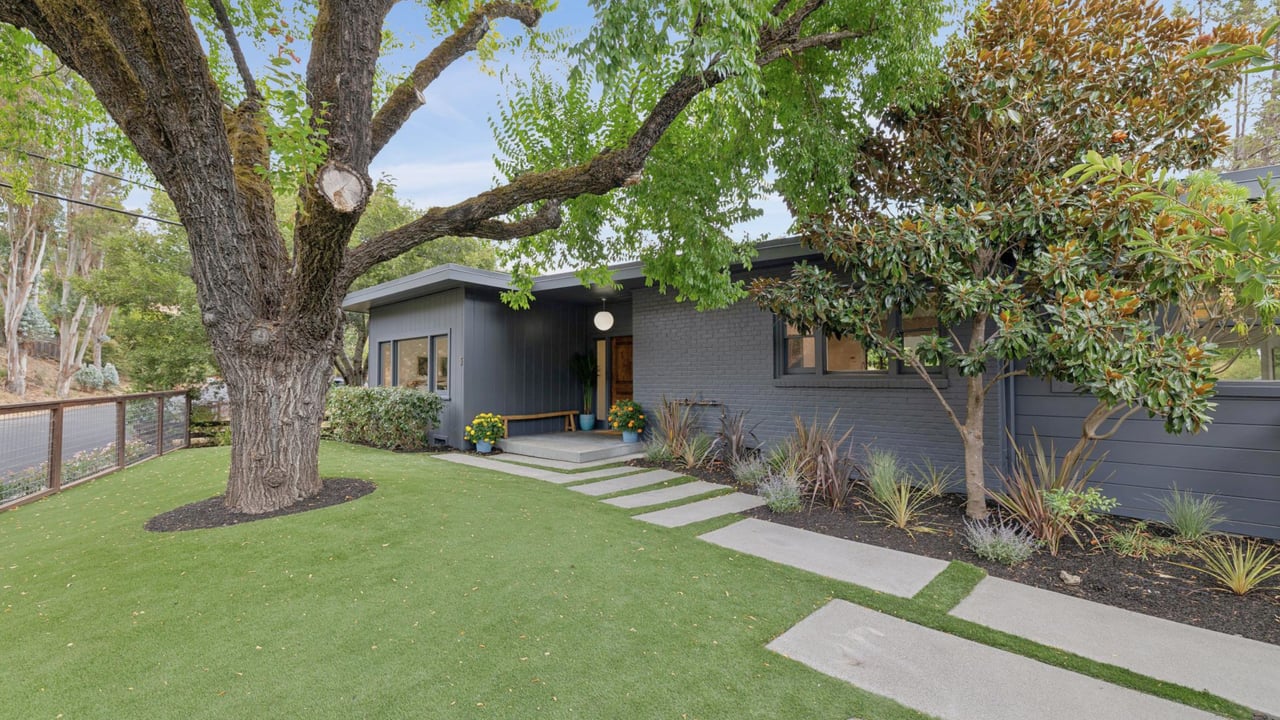
From the moment you arrive along the sweet, tree-lined street in the flats of San Anselmo, 5 Angela Avenue greets you with striking mid-century architectural lines, an… Read more
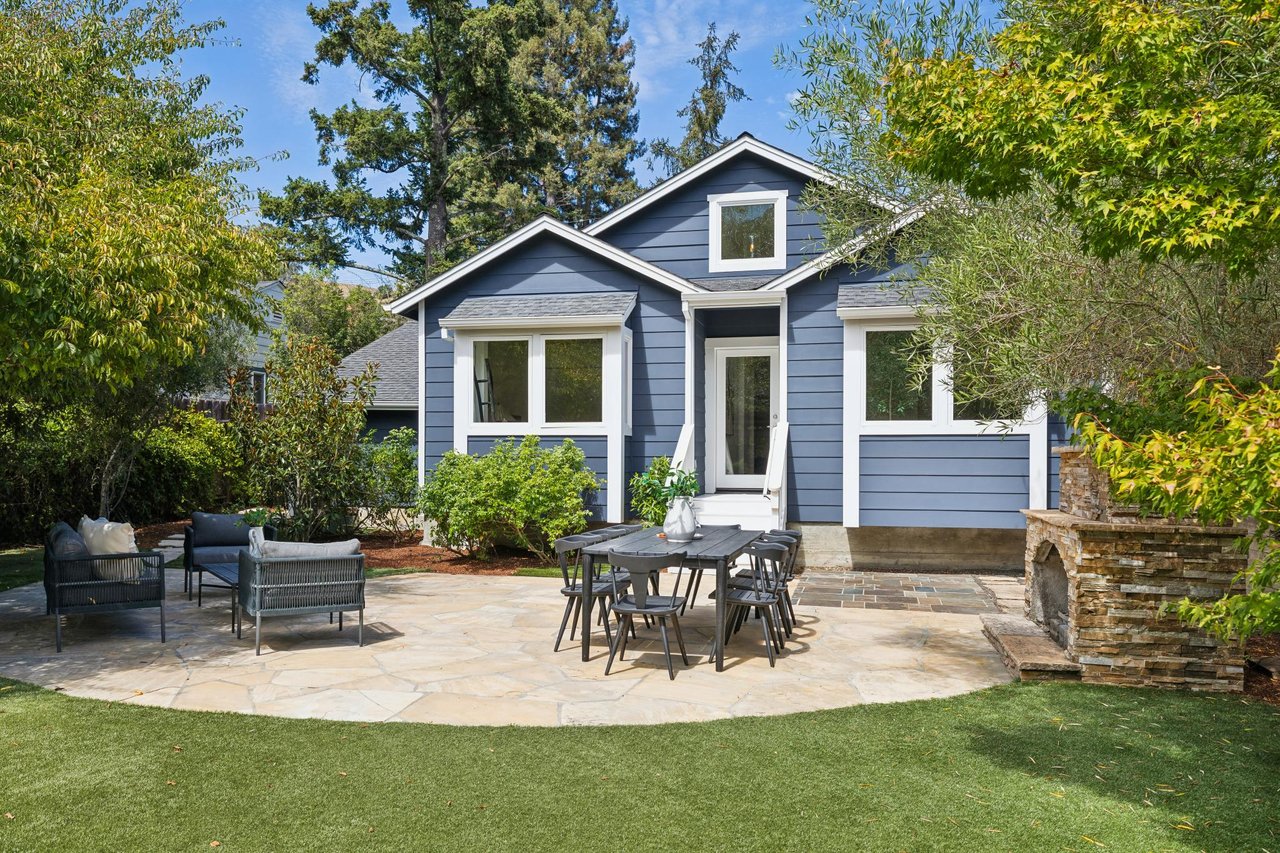
Welcome to 233 Humboldt Street—a home that truly redefines easy living, indoor-outdoor entertaining, and timeless charm. ✨

Zamira's perfected the fine execution of a successful and seamless real estate deal while exceeding client expectations with superior concierge service, savvy negotiations, a brilliant marketing plan and proven track record that always lands her in the top echelon of Marin County Real Estate Agents. Zamira brings an exorbitant amount of energy and enthusiasm to work every single day. With the highest level of integrity and impeccable reputation, her clients are always confident she is the most passionate and determined advocate to get them the results they expect and desire. Contact Zamira today to discuss your real estate goals. She's ready for you!